Research Center 2.0 Campaign
Role: Creative Direction, Design Systems, and Co-Lead Visual Design
Challenge
PitchBook's research organization produces unparalleled insights across the private markets, with analysts covering an expansive range of industries, sectors, and investment trends. The challenge was to develop a campaign that communicated the depth of this research, as well as the interconnected nature of the insights available to clients.
The team was tasked with creating a unifying campaign theme that could serve as the creative foundation across every customer touchpoint that resonated with a broad range of audiences.
Approach
Our cross-functional team of copywriters, designers, and motion designers collaborated through an iterative creative process that included discovery, brainstorming, concept development, stakeholder presentations, and refinement. We explored multiple thematic directions before presenting each concept to stakeholders and aligning on a final campaign platform.
Working closely with analysts, product experts, and marketing stakeholders, we translated complex research capabilities into a cohesive visual and verbal narrative. The creative system was intentionally designed to scale across channels while maintaining a consistent brand experience, allowing messaging and visuals to adapt to different audiences without losing the central campaign idea.
Outcome
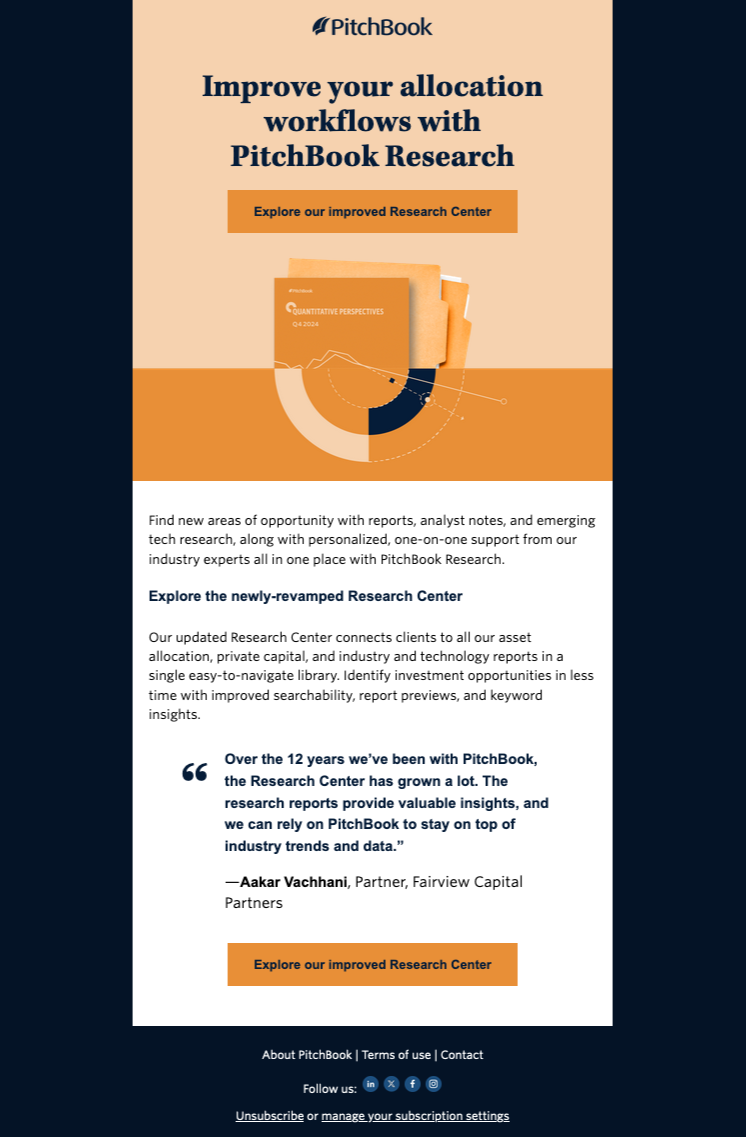
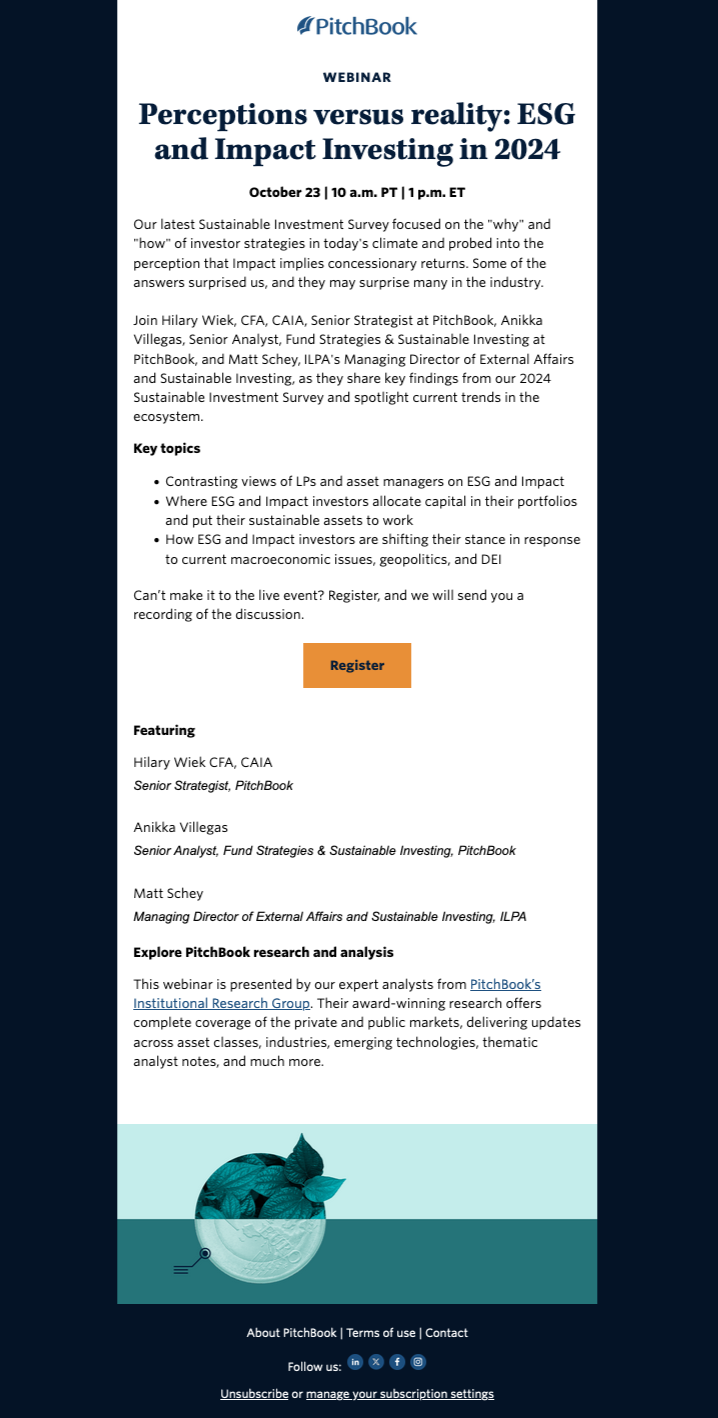
Over the course of six months, the campaign was brought to life across a comprehensive mix of digital marketing channels, including email, organic and paid social media, landing pages, web experiences, display ads, video, and sales enablement collateral.
The result was a cohesive, multi-channel campaign that established a clear creative framework for communicating the breadth of PitchBook's research, demonstrating how a single strategic concept could unify messaging and design across a wide range of customer experiences.
Theme development process
Phase 1: Research & concepting
Brainstorm and explore multiple written and visual directions to take the creative. Collaborate with copywriters, graphic designers, and motion designers to compile mood boards, word maps, and example creative executions. Refine and expand upon 2-3 directions.
Phase 2: Pitching & revising
Present and pitch concepts to multiple stakeholders across multiple internal and external teams. Distill conversations into actionable feedback for the creative team, and coordinate creation of example creative components for team members across copy, design, and multimedia.
Phase 3: Template development
Refine and finalize campaign style guide, including recommended content pairings, as well as design and copy dos and don'ts.
Workshop new templates for various channels using the campaign's approved visual direction. Considerations include color combinations, container angles, fidelity of imagery, and accessibility of template designs.
Phase 4: Finalize & deliver
Run templates and style guide through QA processes to ensure they meet internal standards and the specs provided by channel owners. Package and distribute to creative team members for usage in all deliverable creation processes.
Template development
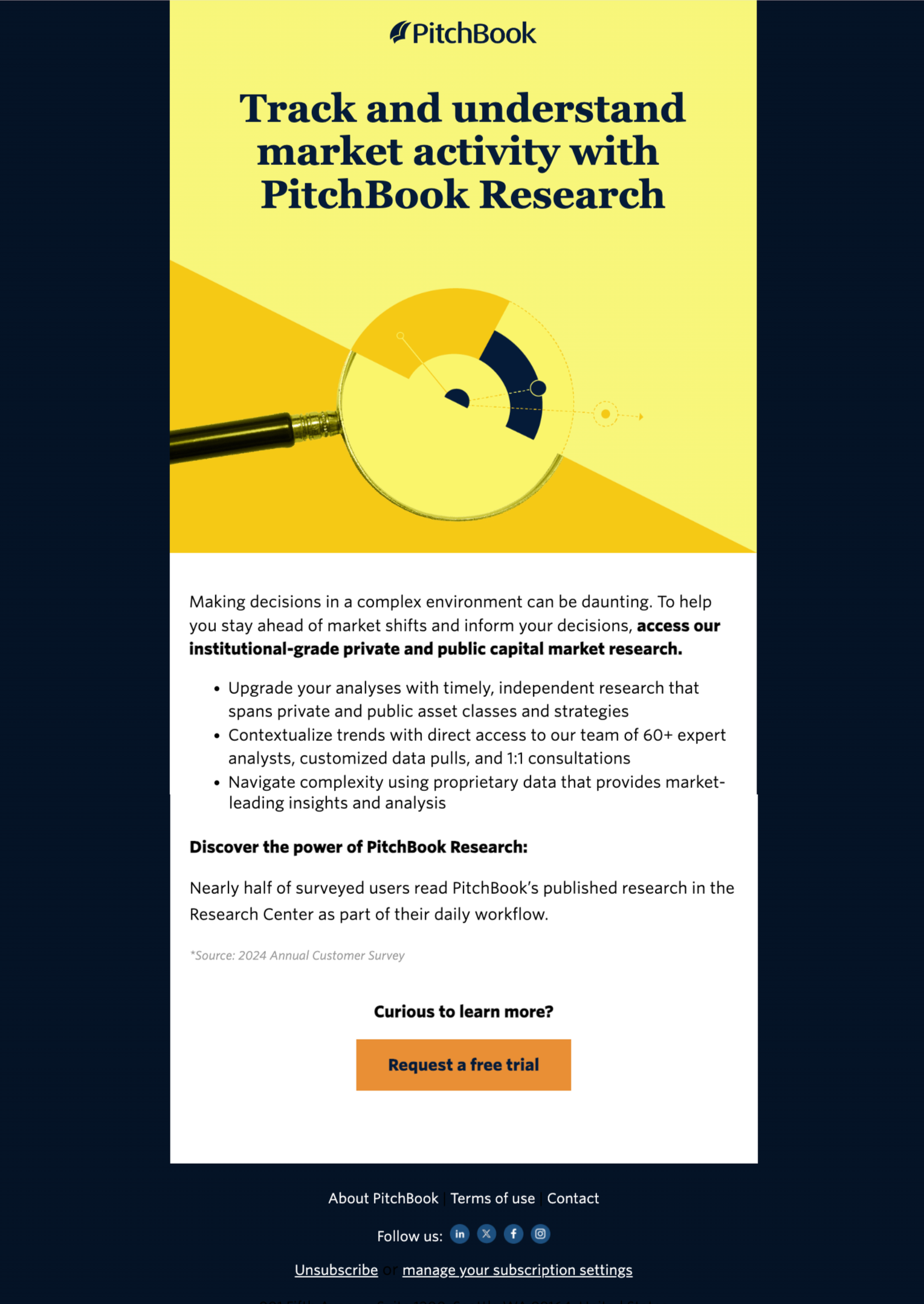
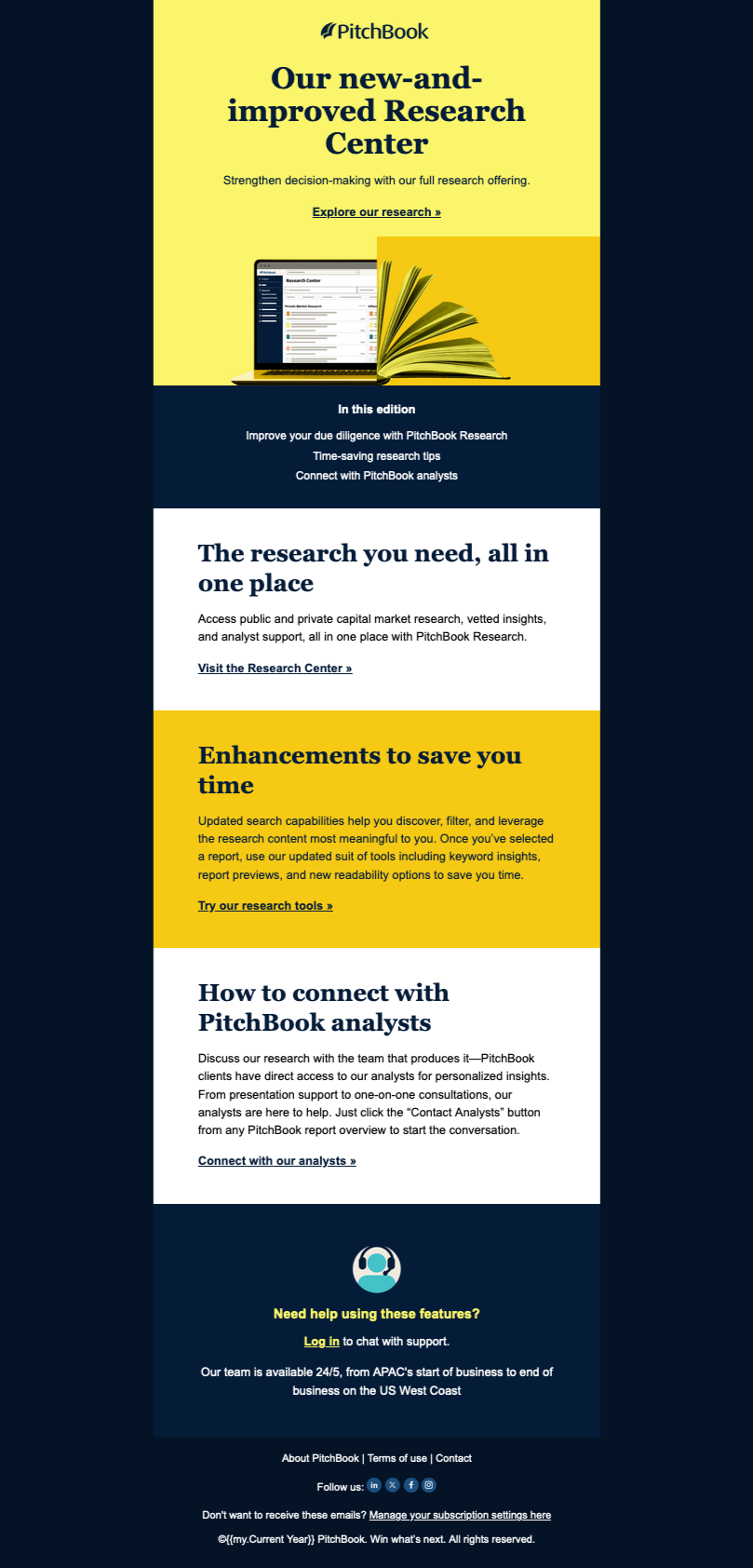
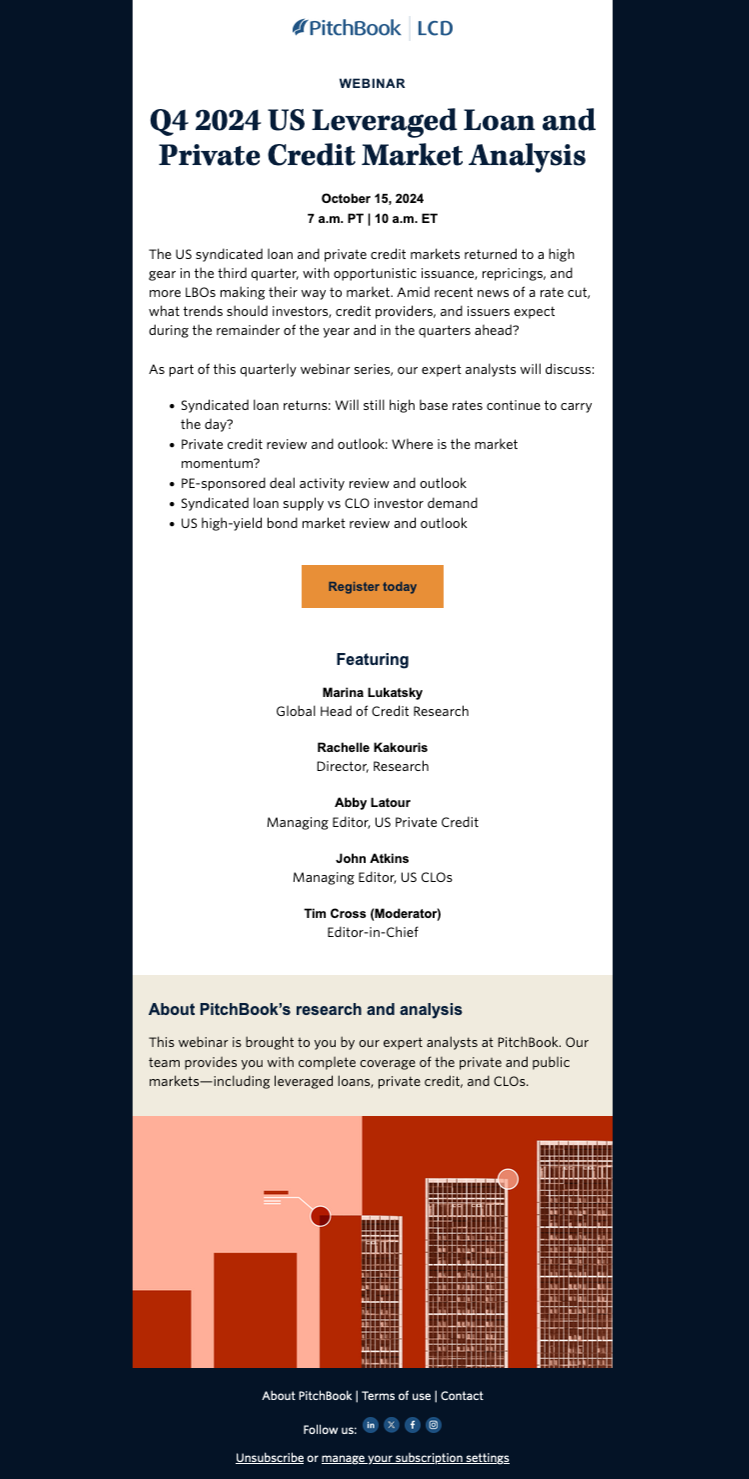
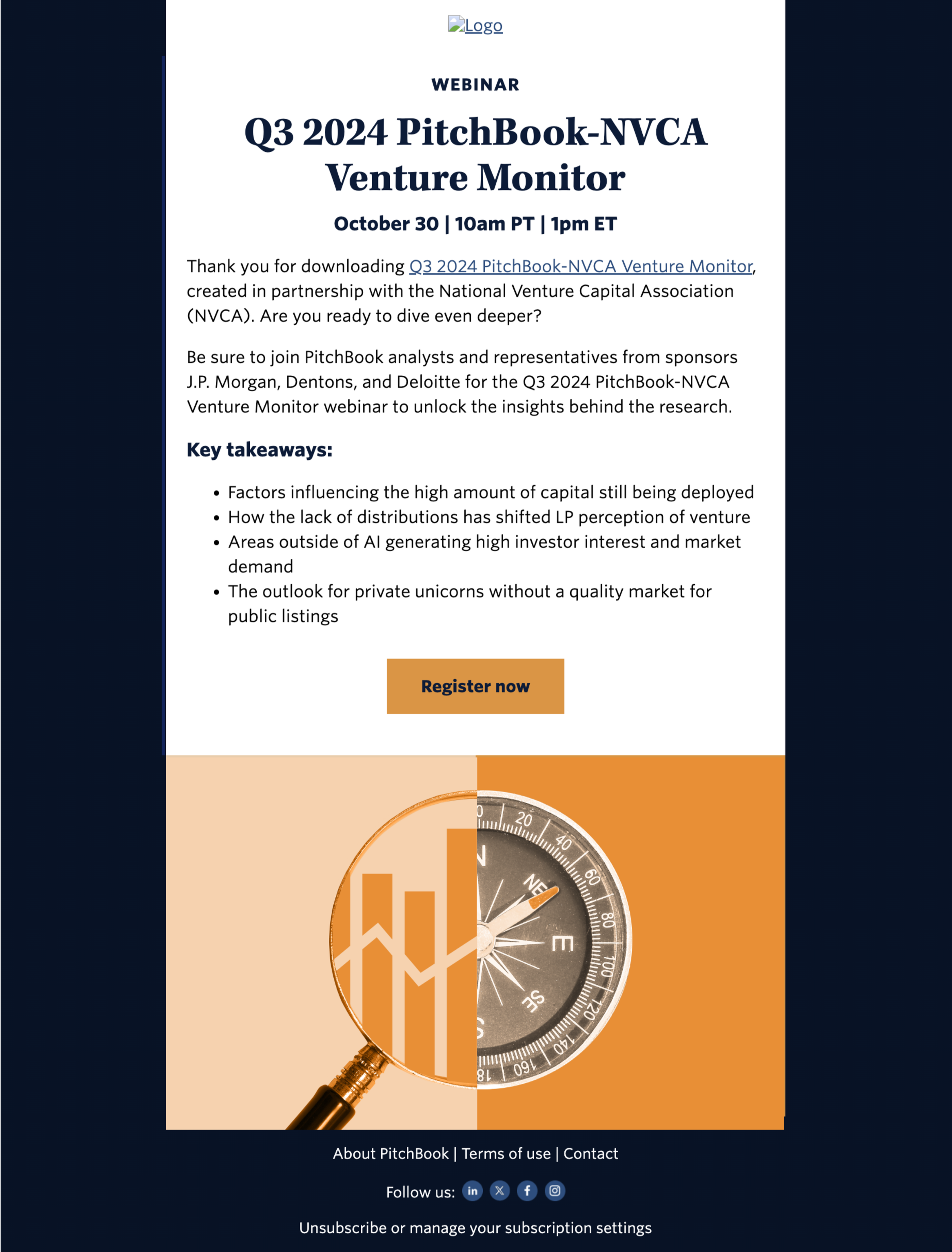
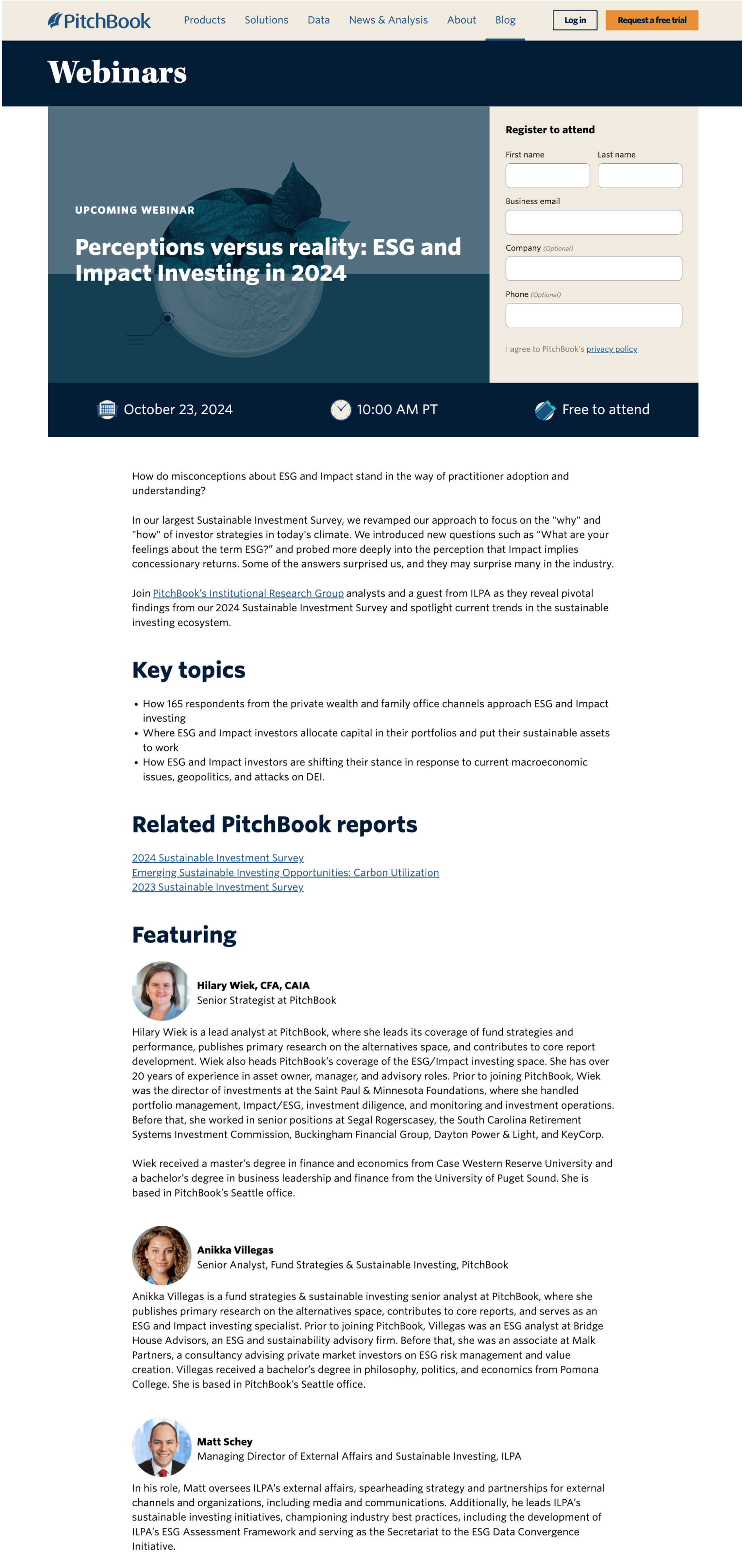
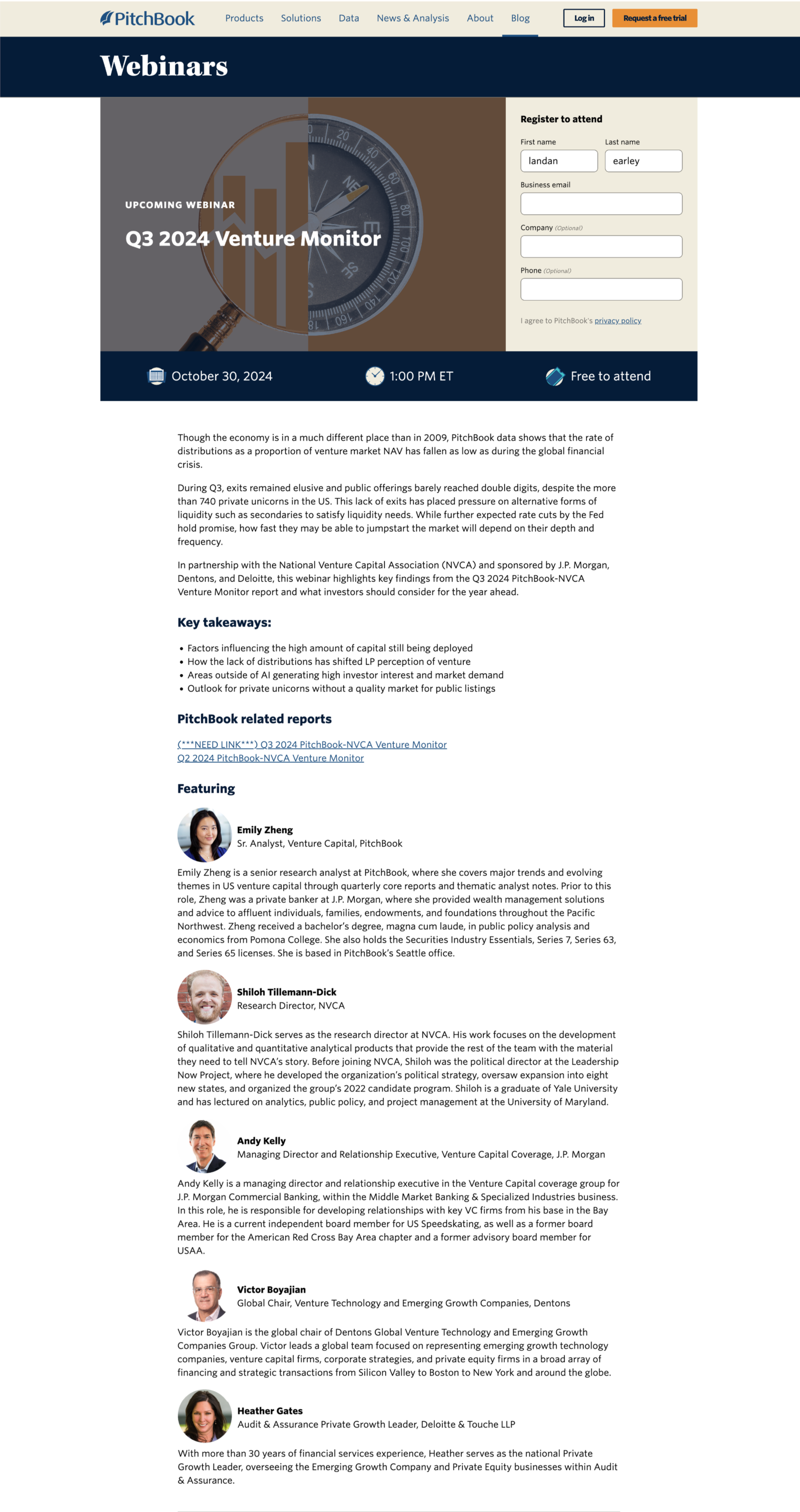
Below are a selection of templates developed in Figma for specific channels. Our team took into account legibility of copy colors on specific backgrounds, ensuring accessibility ratings of AA or higher across the board. We also worked with stakeholders and channel owners on each channel's capabilities so we could try out new colorways and type styles in ways that fully brought this unique campaign theme to life.
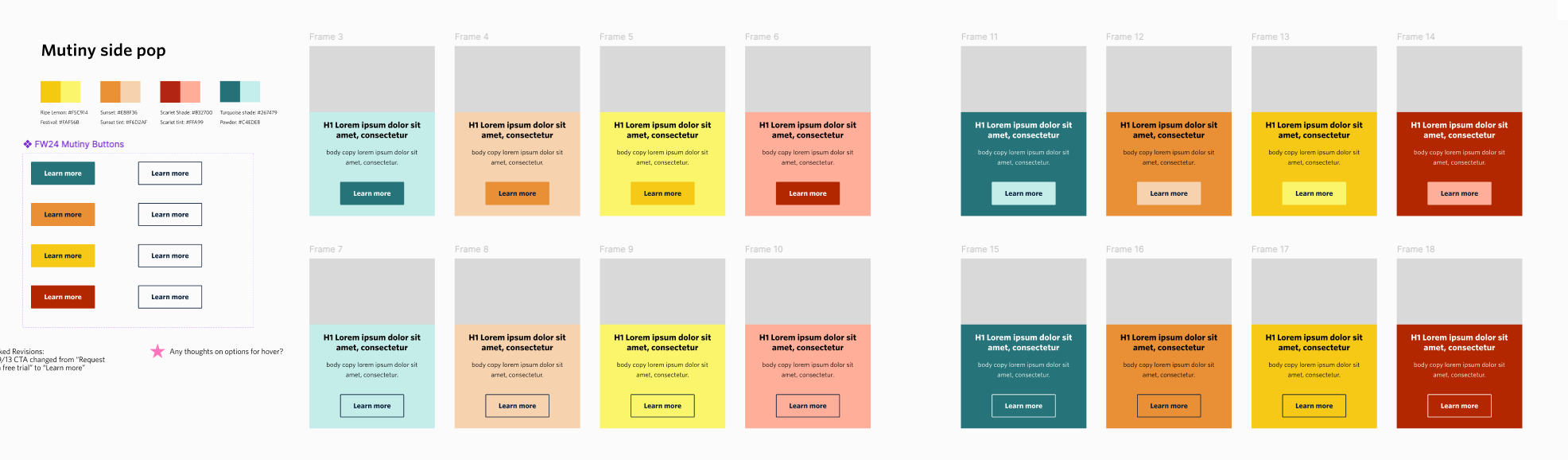
Website sidebar pop-ups
Email headers

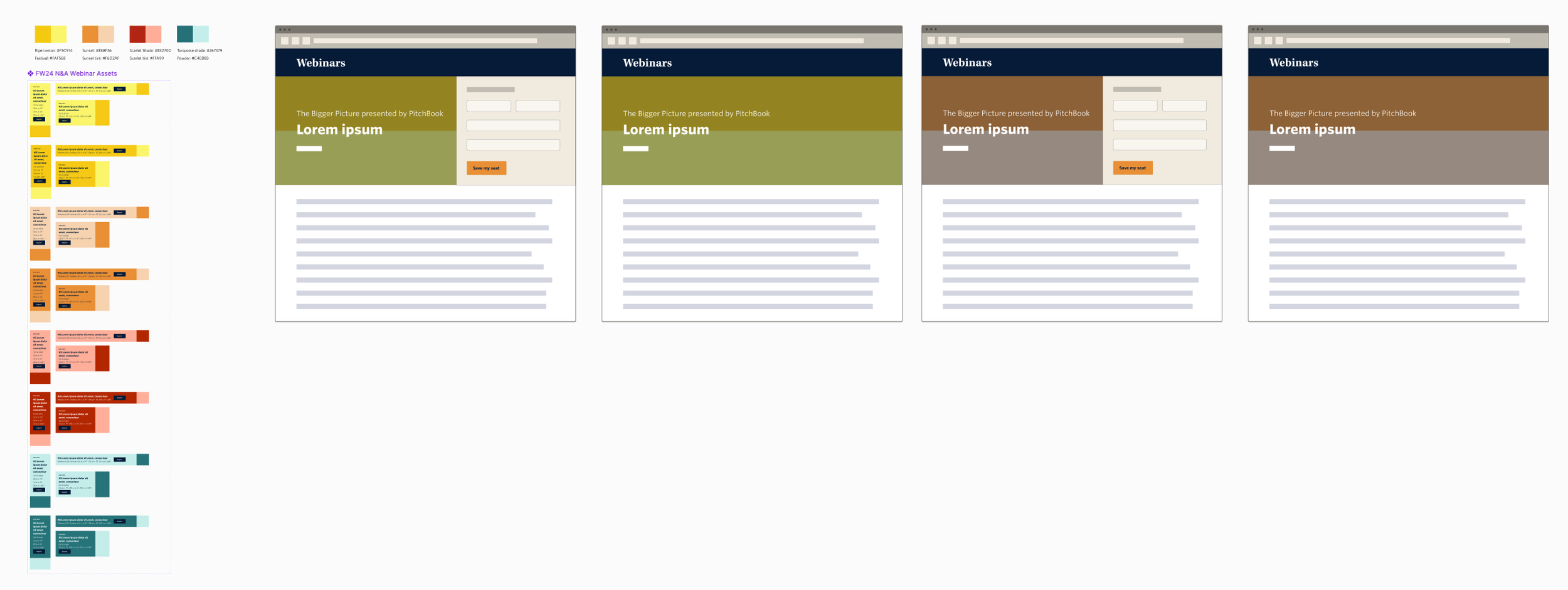
Webinar assets
Final Deliverables
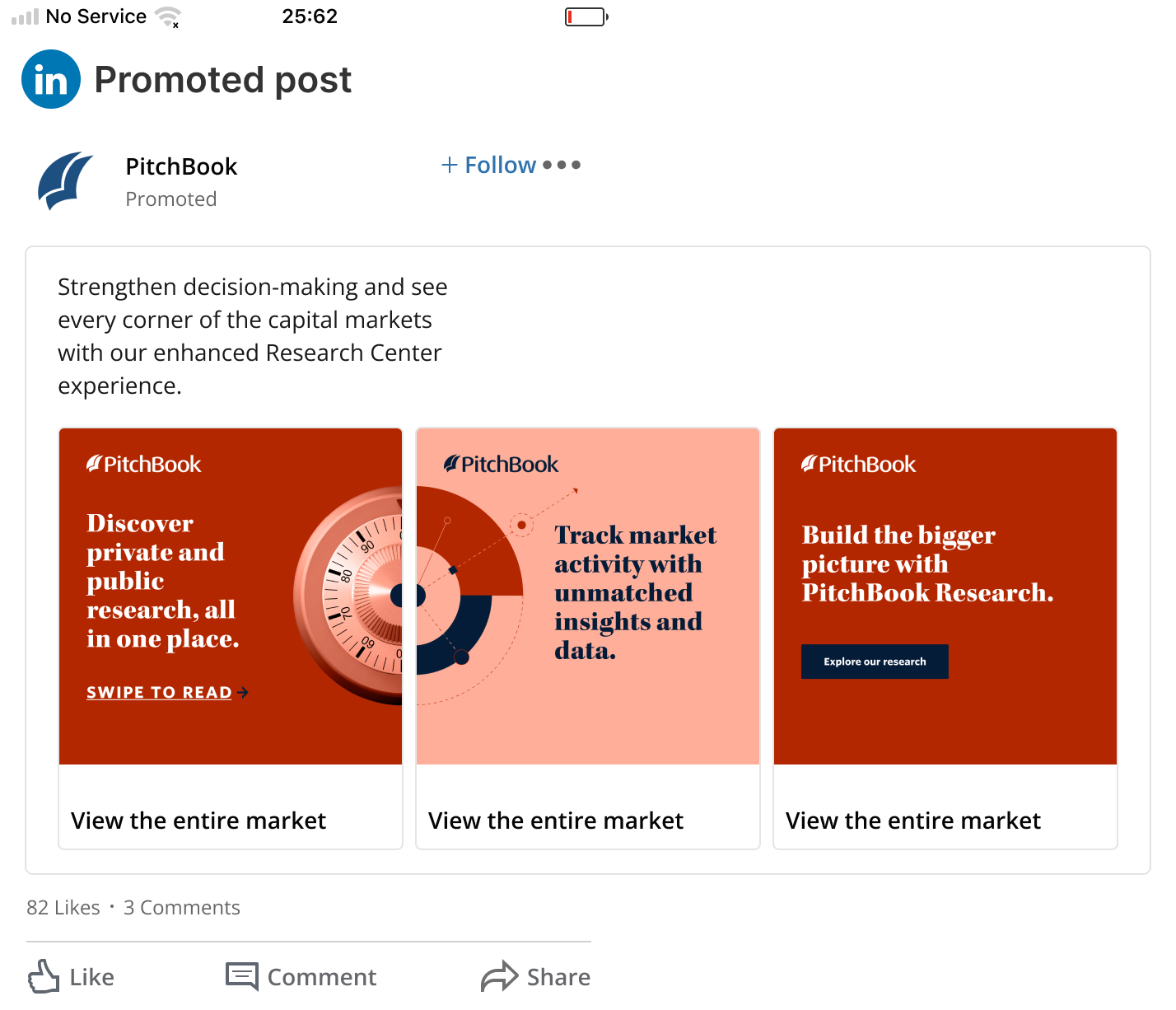
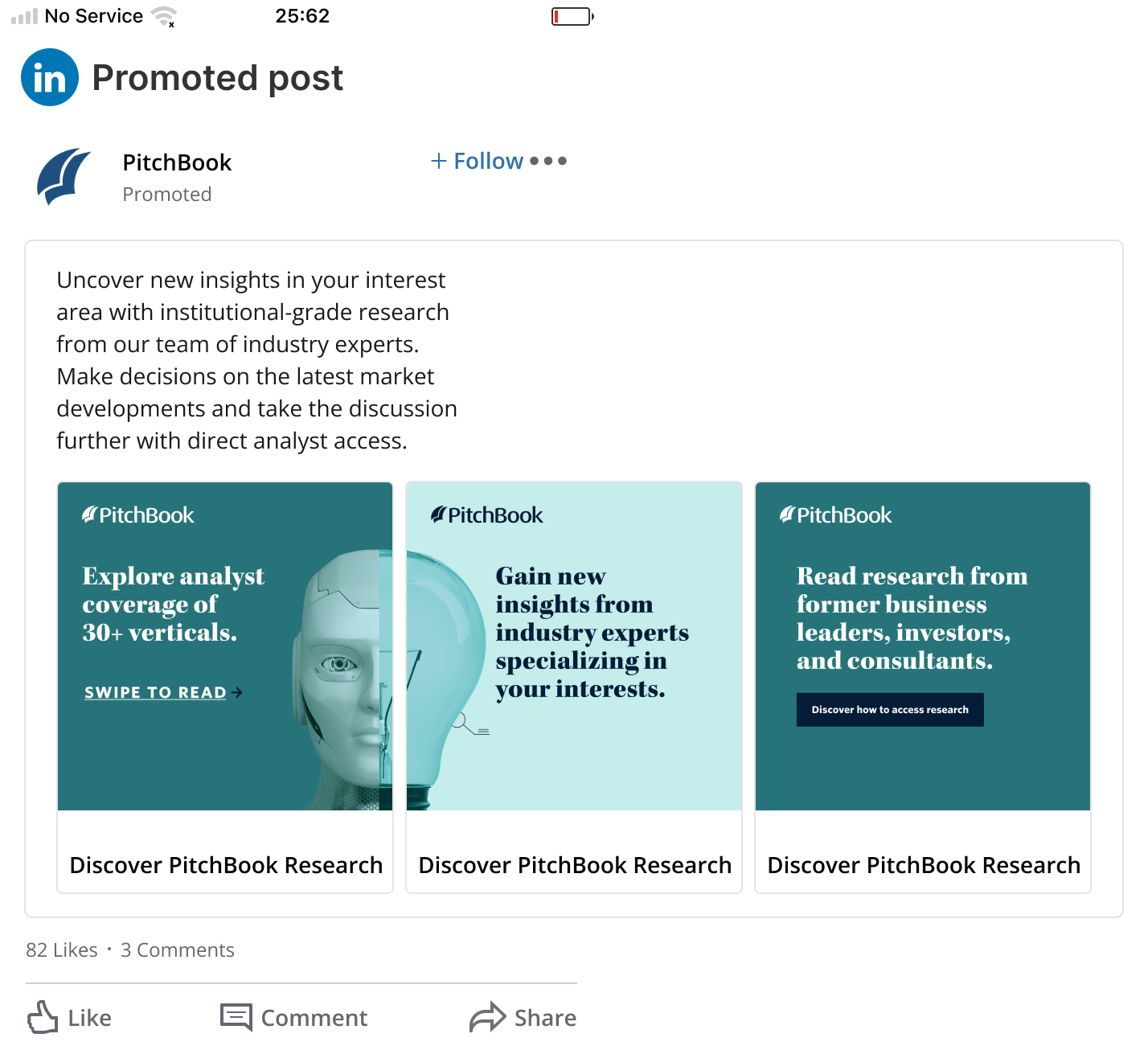
Paid media
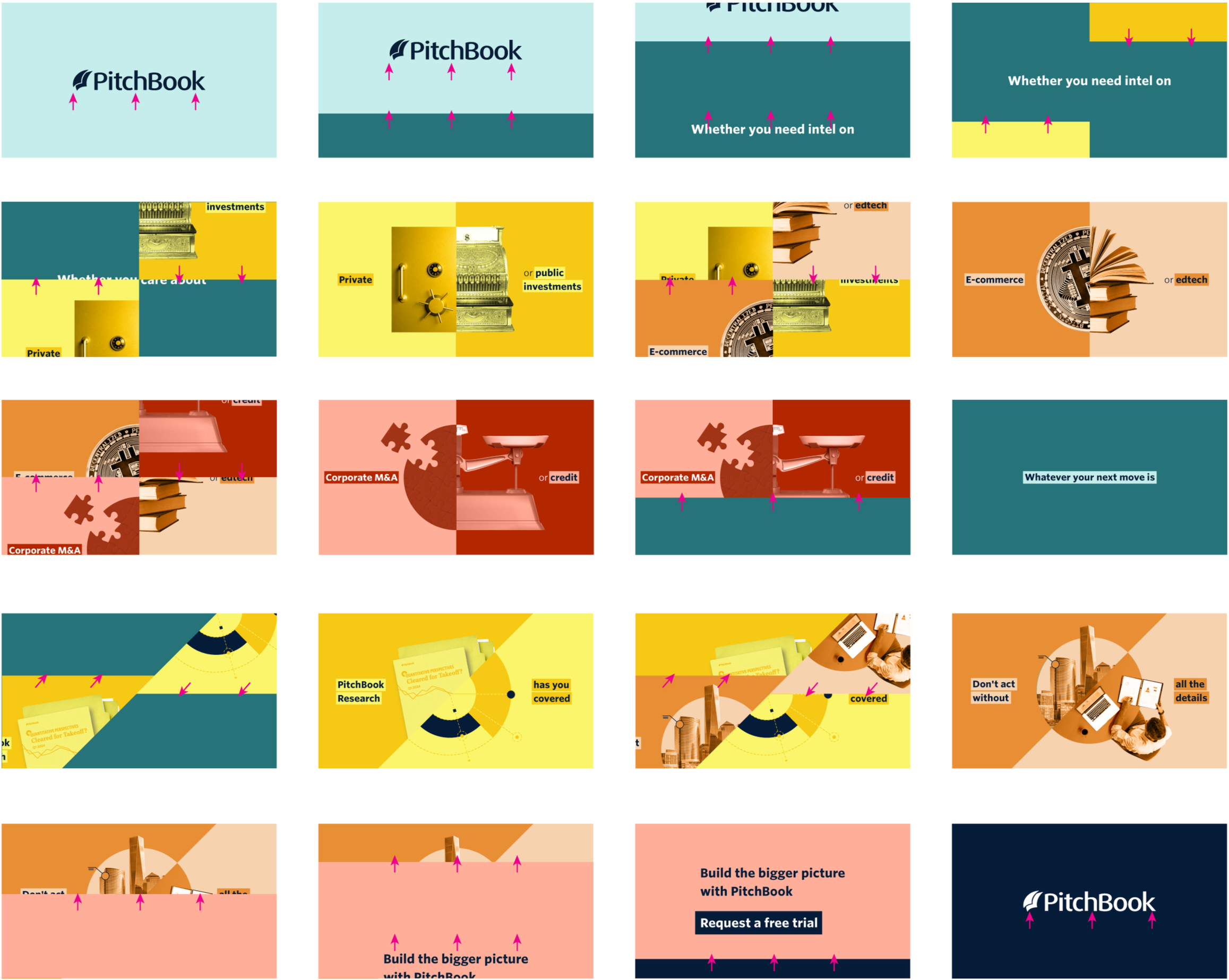
Storyboard
Vertical orientation


Display



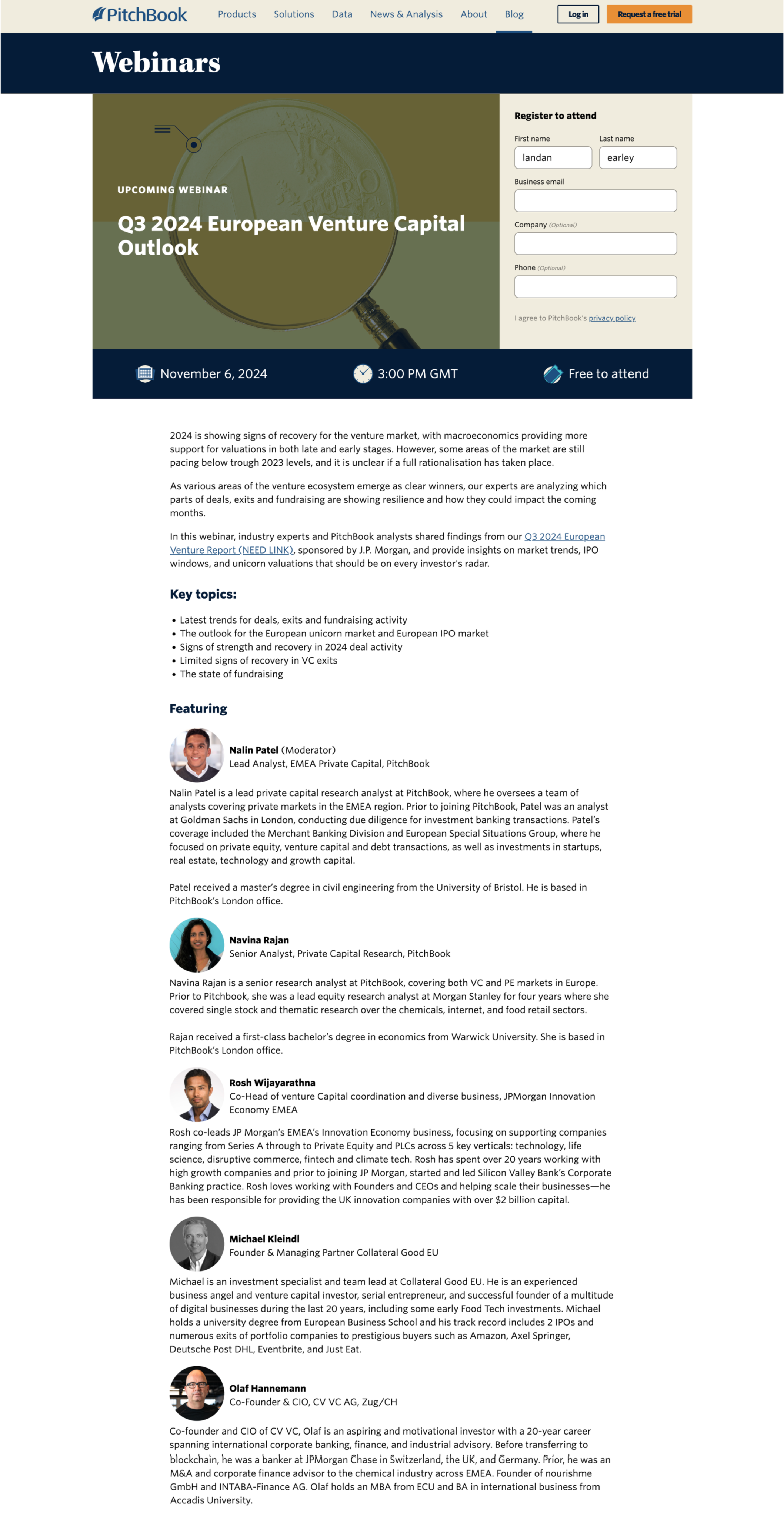
Webinars
Emails